
Last time on Backyard Botanist, many people on Earth made plans for their new alien friends. Meanwhile in other news, dummies on a dock get dealt with in Alabama. As if that wasn't entertaining enough, this weeks plan involves Plantain!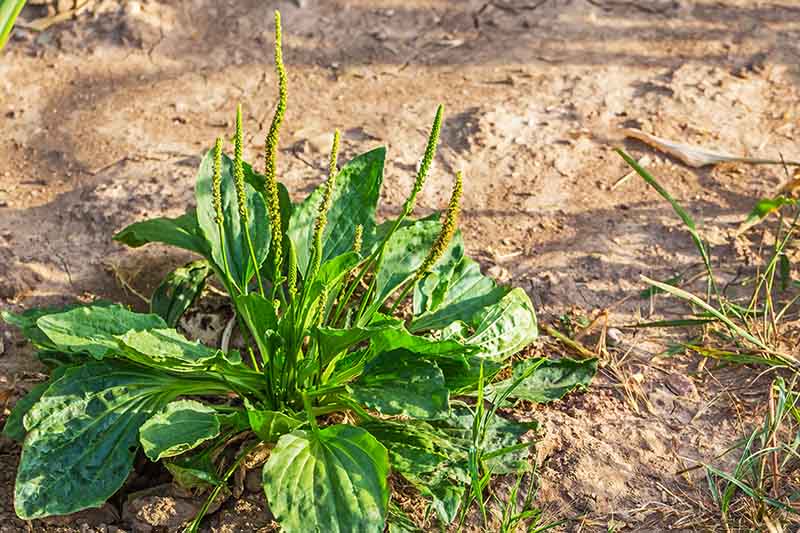
Plantain is a perennial with leafless, silky, hairy flower stems. Plantago is a genus of about 200 species of flowering plants in the family Plantaginaceae, commonly called plantains or fleaworts. The common name plantain is shared with the unrelated cooking plantain (also known as the "beat-up looking banana" to some). Most are herbaceous plants, though a few are subshrubs growing to 60 centimeters (24 inches) tall. They can be found all over Earth but are most commonly found in wet seepages, bogs, coastal areas, and alpine or semi-alpine areas. Most people use Broadleaf Plantain, P. major and Narrowleaf/Ribwort Plantain, P. lanceolata.
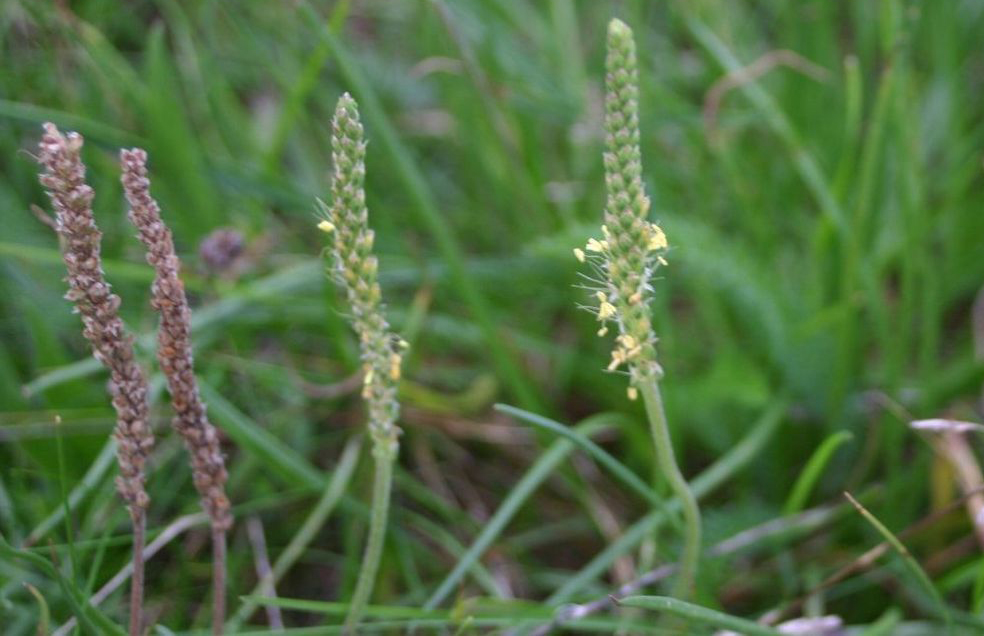
Flowers: Flowers are either a short cone or a long spike, which produces hundreds of seeds. Flower spikes are 2-6 inches (5-15cm) long. Fruits are 0.04-0.15 inches (2-4mm) long, dry and split open when ripe.
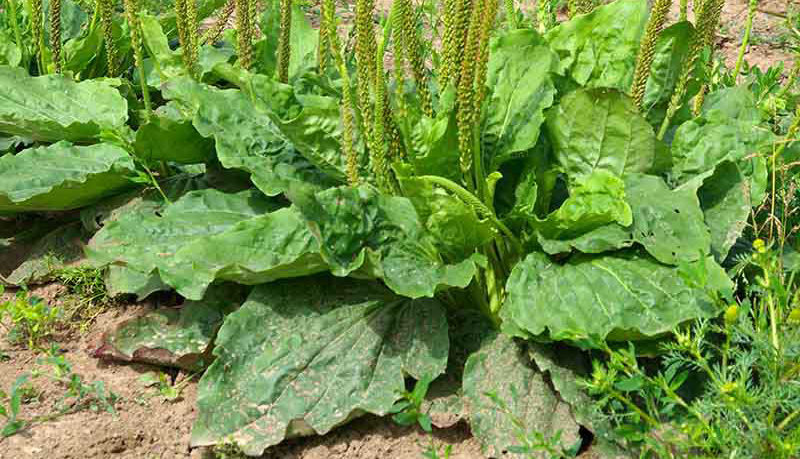
Leaves: Leaves are basal, slightly fuzzy, broad or narrow. They are spreading or erect, scarcely toothed, and have 3-5 strong veins that are parallel and narrow. Leaves have stretchy fibers that are exposed when gently pulling the stem from the leaf. P. major leaves are 2-8 inches (5-20cm) long and 1.5-3.5 inches (4-9cm) wide. P. lanceolata has lanceolate to lance-oblong leaves that taper to the petiole and are 2-9 inches (5-25cm) long.
Edible parts: leaves, seeds
Key medicinal uses: The plant has antioxidant, anti-inflammatory, antibiotic, and analgesic properties. Often it is used as a drawing plant for bites, stings, and rashes. It may even provide health benefits such as improved digestion, enhanced wound healing, and the ability to lower certain types of inflammation.
How to harvest and eat: Harvest leaves at the base and remove the stems. I use them like spinach. Leaves can be sautéed, stuffed, added to pesto, used in salads. They can be eaten raw, but older leaves taste better cooked. Seeds are edible raw, roasted, or ground into a meal.
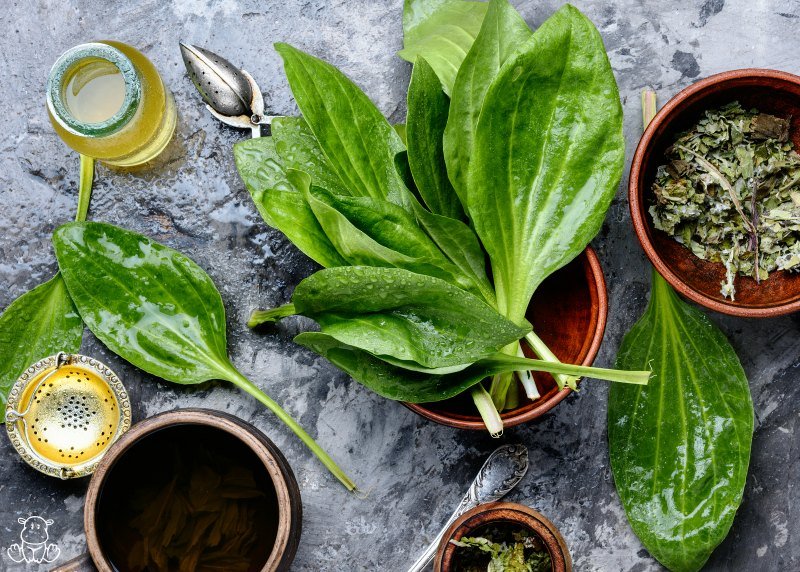
Field use: Plantain can make a good field laxative. Steep a small handful of seeds in boiling water for 10-15 min. Drink the tea and be sure to swallow some seeds. Remember to hydrate well when drinking laxatives.
And that's it for this one. I'm Melissa and this is Backyard Botanist.
Next time on Backyard Botanist, folding chair sales skyrocket as folding chair novelties dominate the social feeds and we frolic in some Fleabane, Erigeron spp.