
Last time on Backyard Botanist, we fancied Fleabane and tried our hand at some green rice. It was……very…green. This time, our sights are set on Swamp Milkweed!
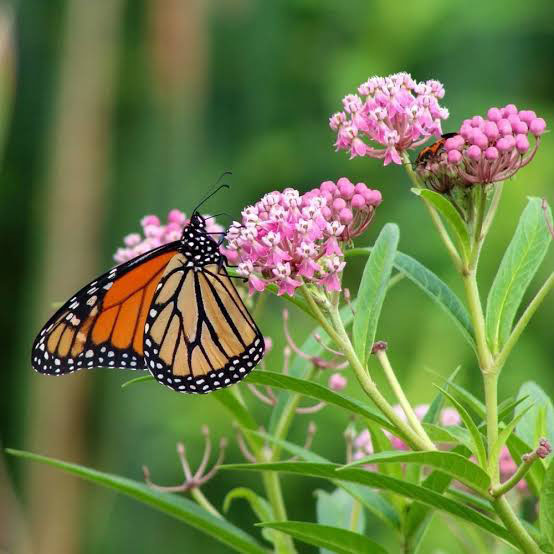
Swamp Milkweed (Asclepias incarnata) is a tall, showy perennial native to North America and a proud member of the Apocynaceae family. Often spotted in—you guessed it—swamps, wet meadows, marshes, and the edges of slow-moving streams, this plant thrives in moist to wet soils. While the name might not scream “elegance”, Swamp Milkweed is anything but shabby. Its pink blossoms are fragrant, its stems strong and upright, and its ecological importance is downright heroic.
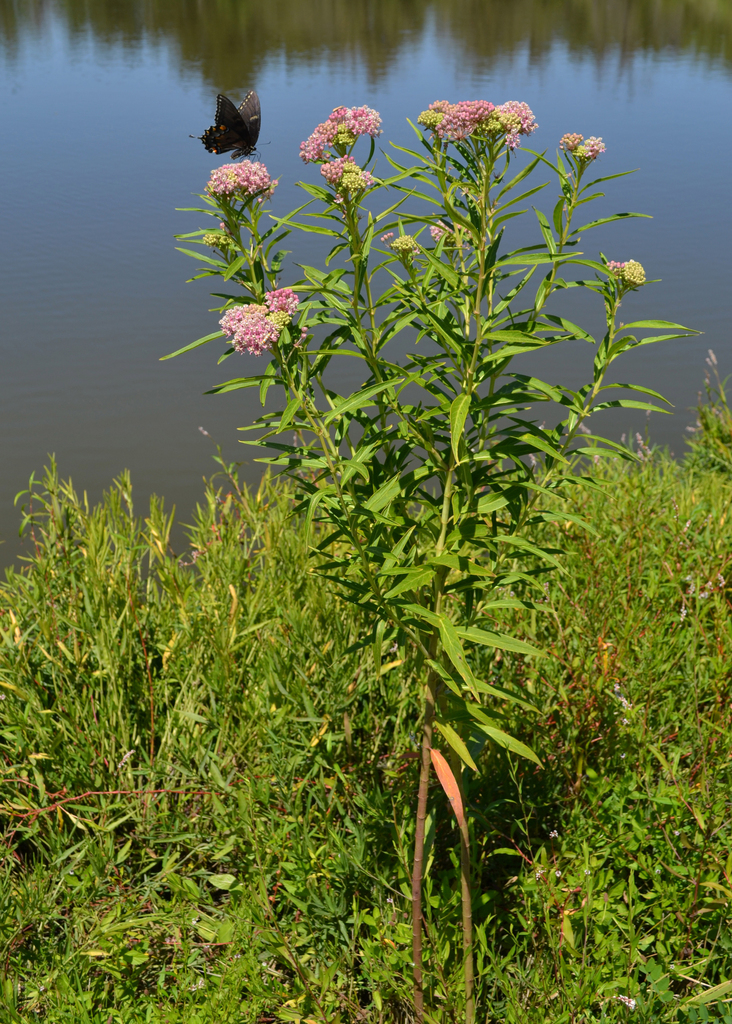
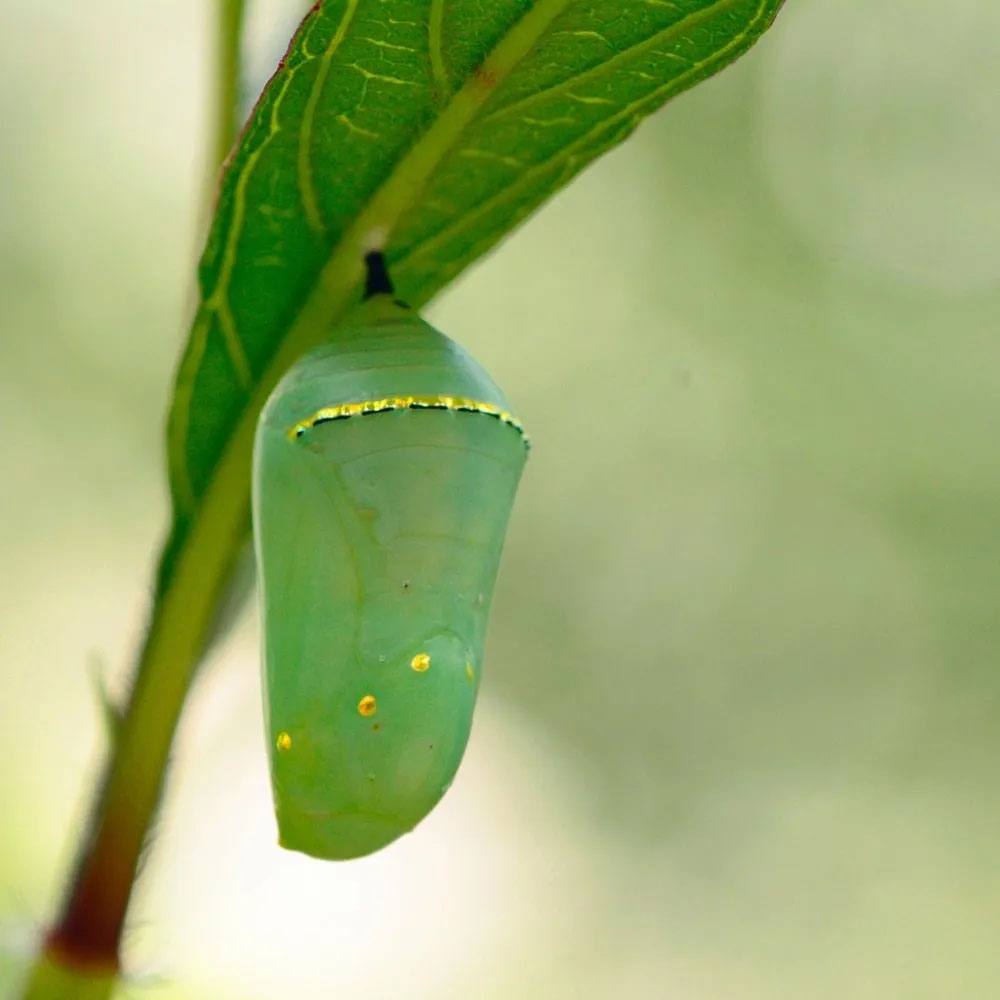
Not to be confused with the invasive milkweed imposters or the tropical types, Swamp Milkweed and Common Milkweed are both native species and play a crucial role in native ecosystems, serving as a vital food source and breeding ground for Monarch butterflies.
Flowers:
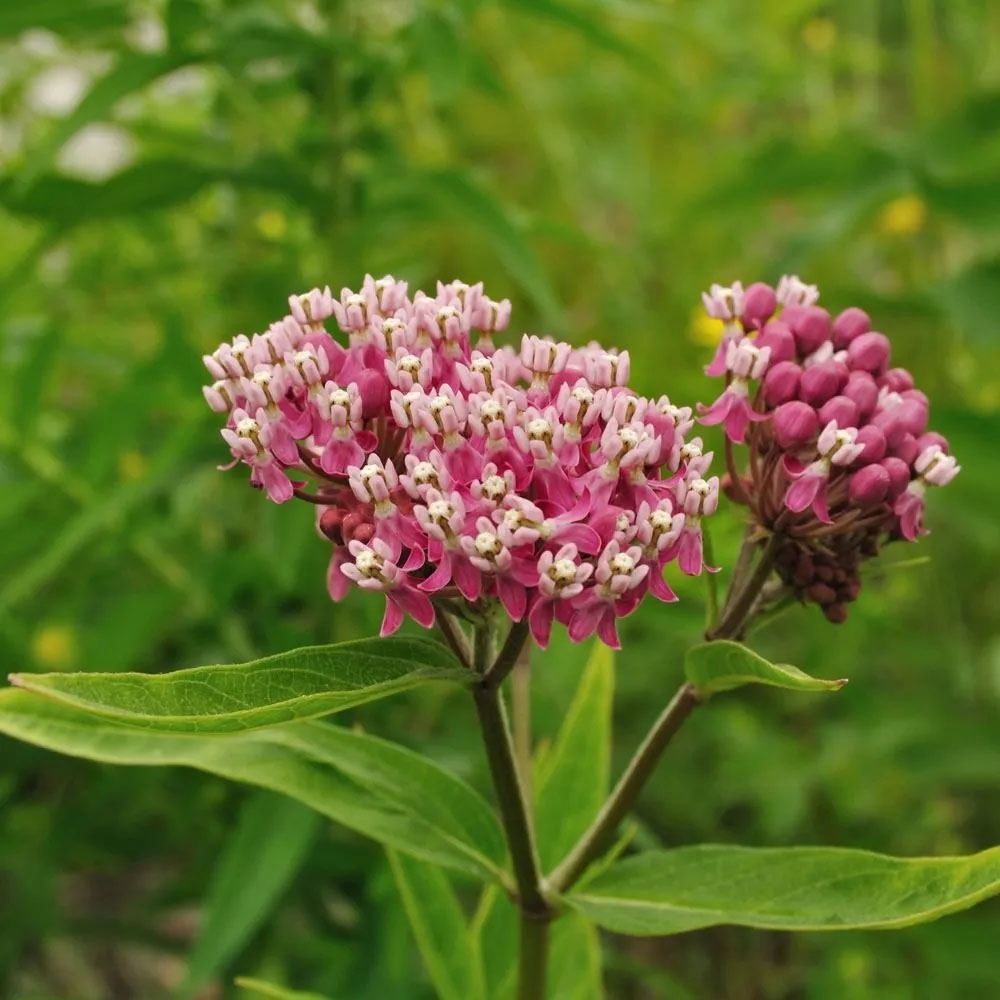
Clusters of deep pink to mauve flowers bloom from midsummer to early fall. Each flower is small but intricate, with five backward-curving petals and a crown-like structure in the center. The blossoms are slightly vanilla-scented and extremely attractive to bees, butterflies, and other pollinators. Common Milkweed blooms with white or pink flowers.
Leaves:
Leaves are opposite, narrow, lance-shaped, and up to 6 inches (15cm) long. They’re smooth-edged with a slight sheen, sometimes lightly fuzzy underneath. They run along tall, slender stems that exude a milky sap when broken—hence the name “milkweed”. Common Milkweed has slightly broader leaves.
Edible parts:
Technically, young shoots, flower buds, and immature pods can be consumed with care. However, due to the presence of cardiac glycosides (toxic to some animals and people in large amounts), Swamp Milkweed is not generally recommended as a primary wild edible. Use extreme caution and proper processing methods if experimenting.
Key medicinal uses:
Historically used by Indigenous peoples and early settlers for lung ailments, worms, and as an emetic. The root has mild expectorant and antispasmodic qualities. That said, due to its potent compounds, internal medicinal use is rare today and should be approached with caution.
How to harvest and use:
This one’s more of a medicine chest or butterfly buffet than a salad green. If harvesting roots or pods for experimental purposes, always do so from clean, wild sources (never roadways or sprayed ditches) and in very small amounts. The sap can irritate skin or eyes—handle gently and avoid contact.
Field use:
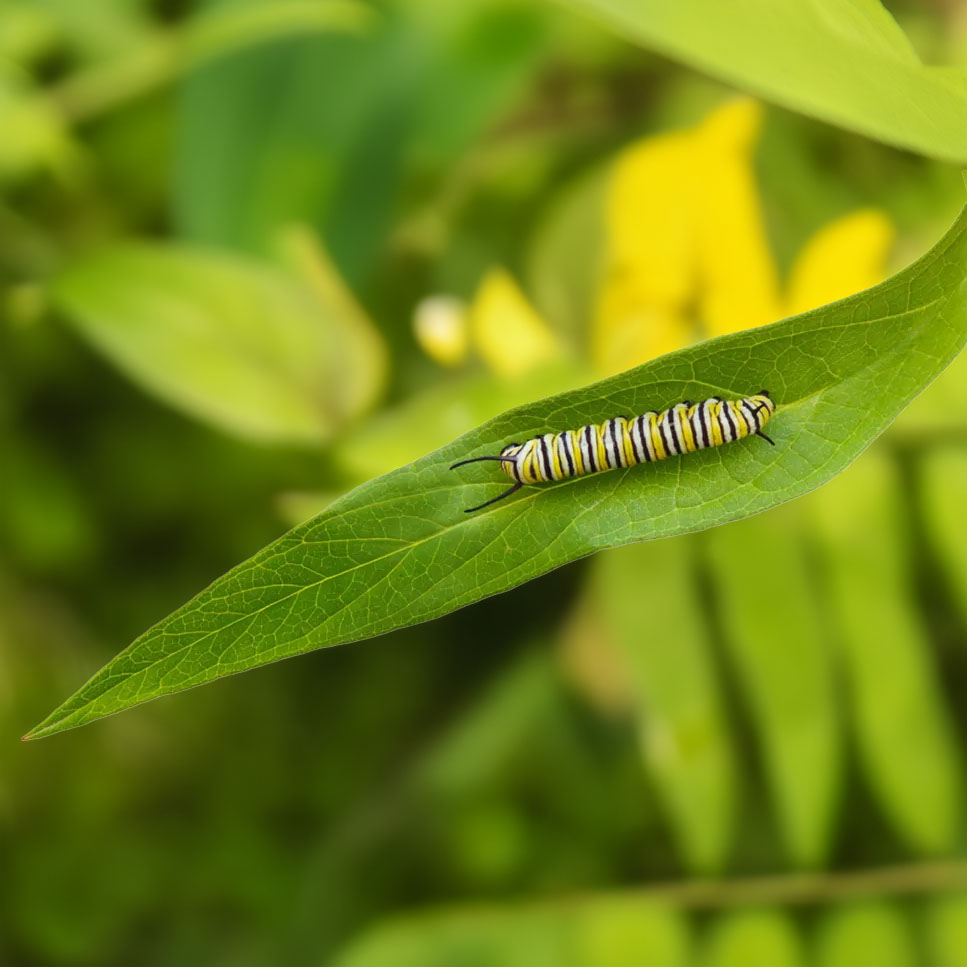
Not much in the way of trailside snacks, but Swamp Milkweed is a brilliant addition to wild gardens. Plant it for Monarchs, who lay eggs on the leaves and feed their caterpillars exclusively on milkweed. It’s also an excellent rain garden species, helping to manage stormwater and support wetland ecosystems.
And that’s it for this one. I’m Melissa, and this is Backyard Botanist.