
Last time on Backyard Botanist, we learned all about the ecological importance of Swamp Milkweed. Now we turn the page to learn all about the bristly Nodding Thistle! Another pollinator favorite!
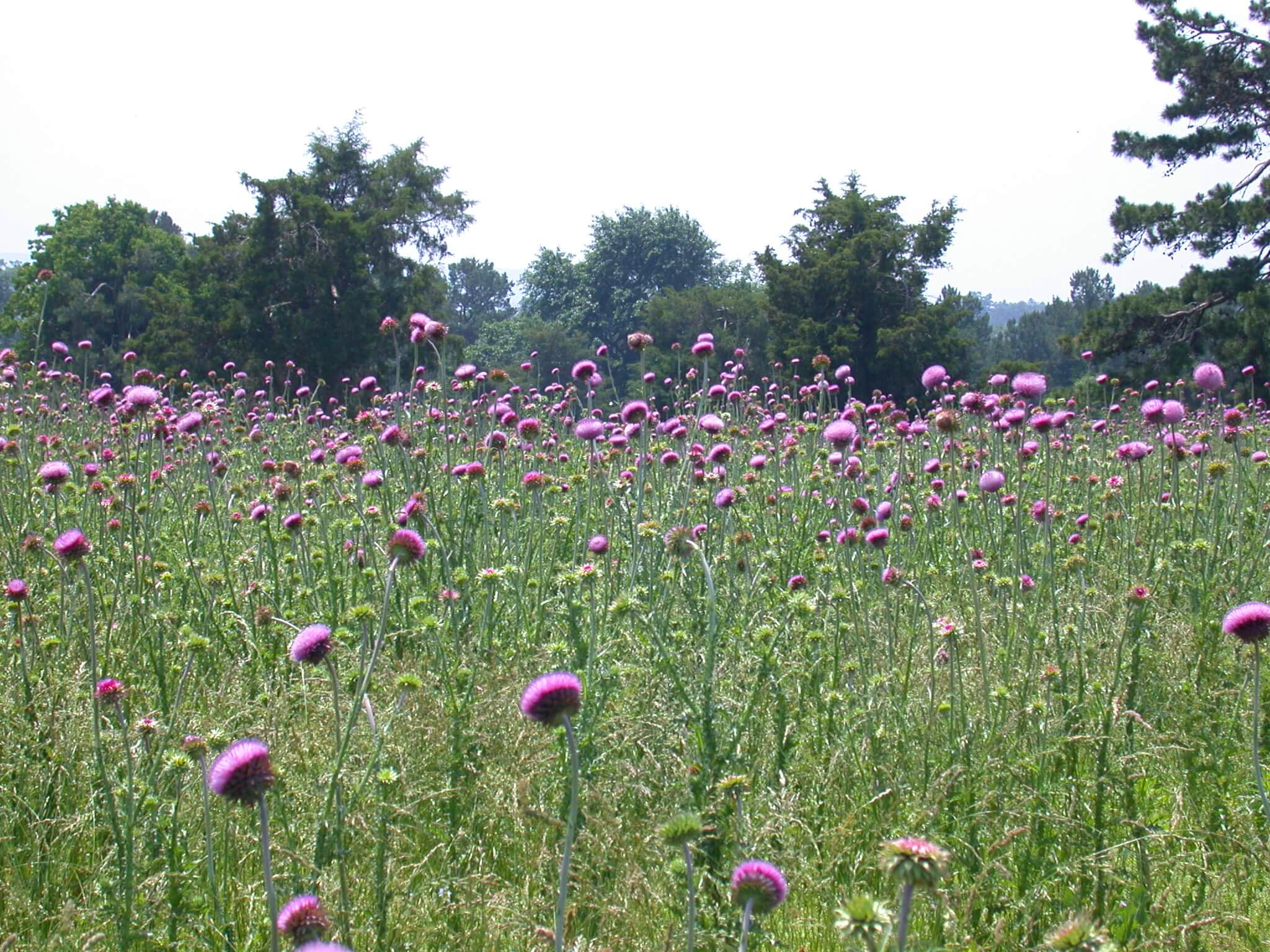
Nodding Thistle (Carduus nutans), also known as Musk Thistle, is a robust biennial in the Asteraceae family. Best known for its spines (ouch!) and unexpectedly fluffy floral crown, this thistle is native to Eurasia and northern Africa. It was accidentally introduced into North America during the 19th century, possibly from dumped ship ballast along the east coast. Therefore, it is considered a ‘noxious weed’ and cause for many a farmers fury. In Illinois and other parts of North America, habitats include savannas, pastures, fallow fields, roadsides, areas along railroads, waste areas, and gardens or yards that use transported soil containing the seeds of this thistle. Nodding Thistle is particularly common in areas with calcareous sand (e.g., near major lakes) and limestone-derived soil. Nodding Thistle is the botanical equivalent of a punk rocker—spiky, loud, misunderstood, and absolutely essential to the ecosystem in its own unruly way.
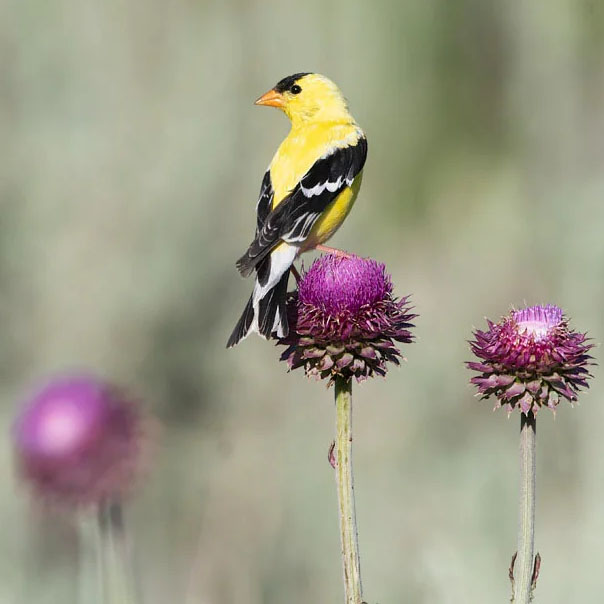
Farmers and gardeners may call it a weed, but pollinators (especially bees, butterflies, and goldfinches) call it home.
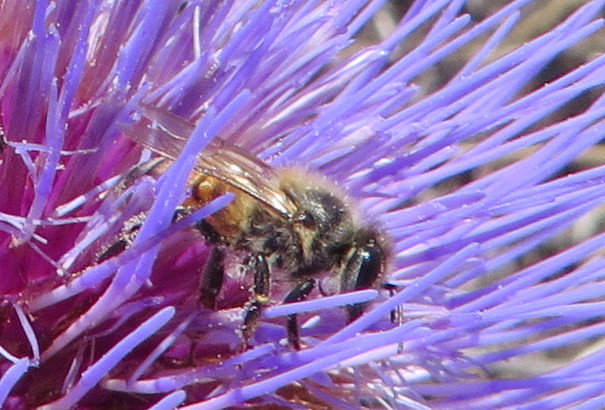
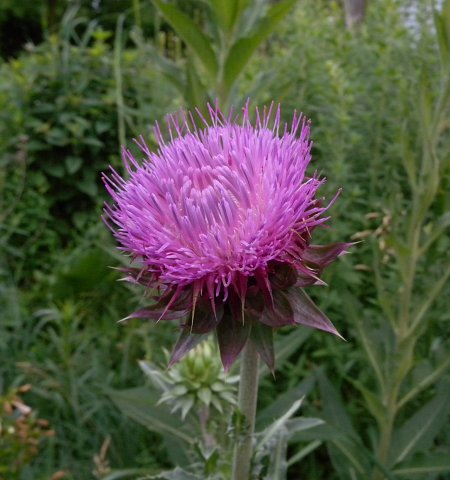
Flowers:
The flower heads are unmistakable: vibrant magenta to purple, blooming from early summer into the fall. They’re perched atop thorny stalks and ringed with stiff spines that guard the nectar like a floral fortress. Despite the attitude, bees and butterflies adore them. The blooms are about 1.5–2 inches (3–5cm) across and sit like spiked crowns. Also, these fat blooms have a wonderfully dreamy scent.
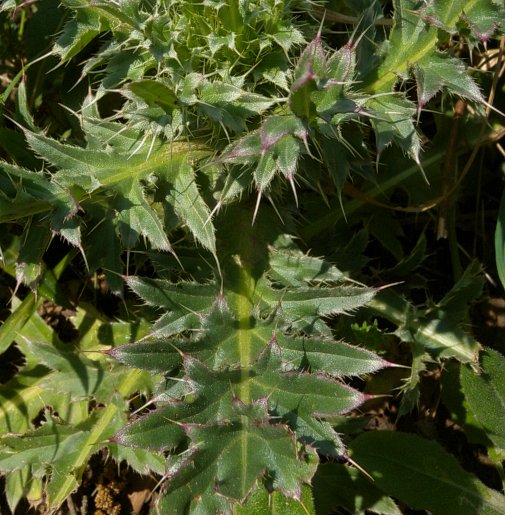
Leaves:
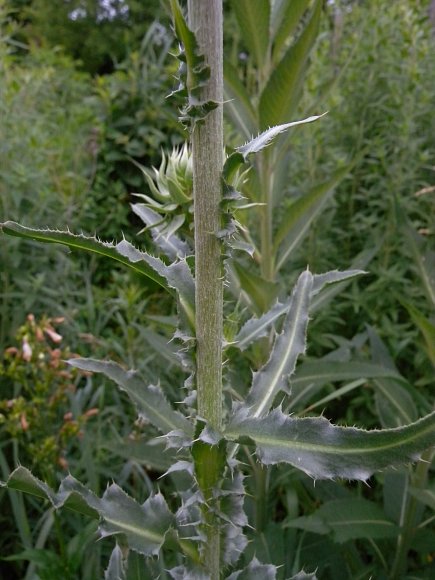
Deep green and coarsely lobed, Nodding Thistle leaves are hairy on top and woolly underneath. Each leaf tapers into long, sharp spines—nature’s “Do Not Touch” sign. Leaves can grow up to 12 inches (30cm) long and form a basal rosette in the plant’s first year, before bolting into a tall stalk in year two.
Edible parts:
Young roots, peeled stems, and immature flower stalks are edible when properly prepared, though spines must be meticulously removed. The flavor is mild—somewhere between celery and burdock. The seeds are too small for most practical use, but finches go wild for them.
Key medicinal uses:
Traditionally used as a liver tonic and diuretic, Nodding Thistle shares some properties with its cousin Milk Thistle. It’s also astringent and has been used externally to reduce swelling and bleeding. Medicinal use is rare in modern herbalism, but the plant's bitterness hints at digestive support potential.
How to harvest and use:
Harvest gloves are non-negotiable. Use a sharp knife to cut young stalks before they become woody. Strip spines and outer fibers, then peel and eat raw or cooked. Roasted roots can be used like chicory for a coffee alternative.
Field use:
Nodding Thistle is a wildlife favorite. Goldfinches use the downy seeds for nesting and feast on the seeds themselves. Bees and butterflies relish the nectar-rich flowers. While the plant is prickly company, it plays a surprisingly gentle role in supporting pollinator populations and holding disturbed soil in place.
And that’s it for this one. I’m Melissa, and this is Backyard Botanist.
Next time on Backyard Botanist, we’ll sneak a peek at the scandalous history of Spotted Touch-Me-Not (Impatiens capensis)—spoiler alert: it lives up to the name.